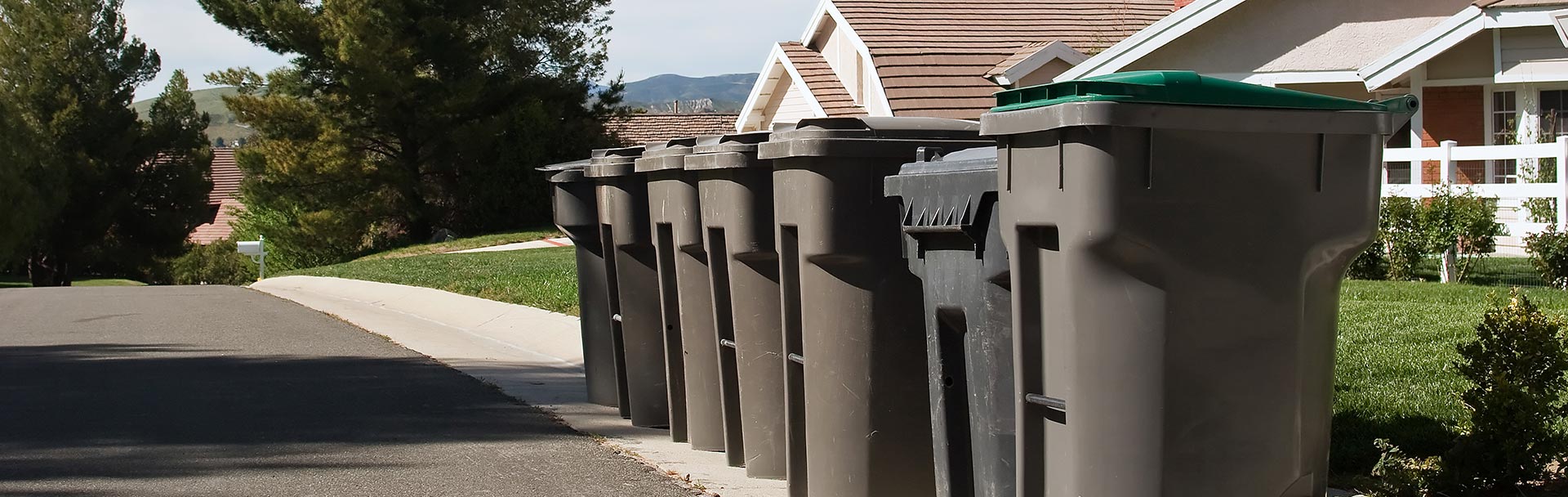
Rubbish Collection in Uxbridge for homes, businesses and clearances
Rubbish Collection Uxbridge provides a straightforward rubbish collection service in Uxbridge for households, landlords, shops and workplaces that need unwanted items taken away in an organised way. Our work covers everyday mixed waste, bulky items, garden waste, office contents and builder-related debris where the load is suitable for collection. The emphasis is on a practical, tidy removal of material that has built up over time, so customers can clear space without having to manage the disposal process themselves.
For many enquiries, the most useful starting point is to match the load to the right service. Some jobs are mainly domestic and need careful handling around furniture or stored belongings, while others are more commercial and involve desks, shelving, packaging or routine site waste. You can review our services overview to see how the main collection options fit together, then choose the route that best reflects the items you want removed. If you are ready to move on, a clear description of the load will help us prepare a quotation.
Our collection work is designed for people who want an efficient removal rather than a general skip hire arrangement or a long self-managed clear-out. In practice, that means separating reusable from non-reusable items where possible, loading the waste sensibly and making sure the waste stream is handled according to the type of material involved. If you are comparing options, it can also help to look at our prices page alongside the service pages, because the nature of the waste and the volume involved are usually the main factors that shape a quotation.
Domestic rubbish collection for household items and furniture
Domestic rubbish collection is often the simplest way to deal with items that no longer have a use but are still taking up room in a house, flat or garage. That can include general clutter, broken household goods, bagged waste, old furnishings and mixed items gathered during a room clear-out. The aim is to remove everything in one sensible visit rather than leaving you to sort out the disposal burden item by item. Where access is straightforward, we can usually work through the load quickly and keep disruption to a minimum.
When preparing a household enquiry, it helps to note whether the waste is loose, bagged, boxed or made up of larger items, because that changes how much loading and handling is involved. Photos can also be useful if the collection contains mixed material or awkward pieces, but a simple written description is often enough for a first quotation. For a fuller explanation of how quoting is handled, see our pricing and quotes page. If you are clearing several rooms at once, list the main item groups in plain language and keep the description focused.
In many domestic collections, the work is as much about organisation as removal. Bulky furniture may need to be moved carefully through hallways, while smaller items can often be grouped together for easier loading. Hard materials, soft furnishings and general rubbish may also need to be separated within the collection for sensible handling. If you want to compare domestic clearance with other types of work, our house clearance service page gives a more specific view of fuller property clearances where the load is not just a few isolated items.
Builders waste and site clearance
Builder’s waste and light site debris need a collection approach that recognises the difference between routine rubbish and heavier construction-related material. Typical loads can include broken plasterboard, timber offcuts, packaging, rubble in manageable quantities and leftover materials from refurbishment work. The focus is on clearing the site cleanly so work can continue or finish without waste getting in the way. Where a load contains mixed construction material, the collection needs to be planned carefully so the right waste is removed together.
For project-based work, it is sensible to think in terms of material type, access and staging. A small kitchen refit can produce a different load profile from a garden wall repair or a shop fit-out, and that affects what needs to be collected. If you are sending an enquiry, one of the most helpful things you can do is list the main material categories, the approximate amount and any access issues such as narrow paths, upper floors or shared entrances. Our builders waste disposal in Uxbridge page is the best place to compare that service with other collection options.
Builder’s waste is rarely just a matter of volume; the make-up of the load is just as important. Heavy offcuts may need different handling from light packaging, and some jobs are easiest when the waste is gathered in one place before collection. Where a customer is coordinating trades, a clear loading point can help keep the process orderly. That is particularly useful when refurbishment work is ongoing and the aim is to remove waste without interrupting the rest of the job.
About Uxbridge
Uxbridge is a historic town in west London and one of the principal settlements in the London Borough of Hillingdon. Its identity has been shaped by the River Colne and the network of canals, roads and later rail links that made the area a transport and commercial hub. The Grand Union Canal passes through the wider locality, and the waterways remain an important feature of the landscape, linking town-centre streets with quieter edges of open land and older industrial corridors. The town centre combines modern retail development with surviving older structures, giving the area a layered appearance rather than a single architectural style. Uxbridge has long been associated with movement and exchange, and that pattern is still visible in its streets, public spaces and mixed-use buildings. The historic core includes the notable parish church of St Andrew, while nearby civic and commercial buildings reflect the town’s more recent growth. Brunel University London sits on the edge of the area and adds an academic presence to the local character, bringing together teaching, research and student life in a campus setting. Parks and open spaces, including riverside walks and landscaped grounds, provide a counterpoint to the built-up centre, and the local street pattern shows the gradual shift from older market-town origins to a broader suburban form. The result is a place that feels both busy and varied, with a history that can be traced through its waterways, buildings and public realm.
Garden waste and outdoor clearances
Garden waste collection is useful when outdoor areas have filled with cuttings, soil, broken planters, hedge trimmings, small branches or worn items that no longer belong in the space. It is different from general household rubbish because the load often contains a mix of organic material and garden-related hardware. We handle that kind of collection with an eye to keeping the job neat and practical, especially where the waste has been gathered from multiple corners of a garden, shed or patio. For many properties, it is a simple way to restore order without overcomplicating the process.
Outdoor clearances are easiest to price when the main categories are clear. A pile of branches and green waste is one thing; a mixed load with fence panels, broken furniture and old storage items is another. If you want to make the enquiry process smoother, group the items by type and mention whether the waste is already bagged or still scattered across the space. You can also compare the outdoor service with the more general waste removal in Uxbridge page when the load includes both garden and household material. That distinction often matters more than the size of the garden itself.
In some cases, garden waste collection forms part of a wider tidy-up after renovation or seasonal maintenance. Soft green waste may sit alongside heavier cut-offs, old compost sacks or damaged outdoor fixtures, and it helps to be realistic about what needs to leave the property now and what can stay for a later job. A clear loading point near the boundary is often the most practical arrangement, though access through side paths or rear gates can also work when it is safe and suitable.
Office and commercial rubbish collection
Office and commercial rubbish collection is aimed at businesses that need unwanted items removed without turning the process into a disruption. Typical work includes desks, chairs, archived paperwork, packaging, broken fittings, storage units and other surplus items that build up in workspaces, stock rooms or back-of-house areas. Our role is to help clear those items in an orderly way so the property can be used efficiently again. For some organisations, the priority is making room for staff movement; for others, it is simply bringing a cluttered area back under control.
Commercial collections are often easiest when the customer thinks in zones rather than in one long list. A reception area may have different waste from a storeroom, and an upstairs office may present different access issues from a ground-floor unit. A concise note on the item groups, the floor level and any parking or loading restrictions can make the quotation more accurate. If your enquiry relates to workplace items, our office clearance in Uxbridge page provides a more specific service route for that kind of load. It is also useful when a business wants to clear several rooms at once rather than a few isolated pieces.
In commercial settings, there may also be a need to remove items in stages. That can happen when a business is refurbishing, relocating or simply reducing the amount of stored material on site. The collection plan should reflect the way the premises actually function, not a generic one-size-fits-all approach. If there are items that must stay in place, make that clear early so the service can be shaped around them. A thoughtful handover at the enquiry stage usually makes the collection itself more straightforward.
Choosing the right rubbish collection for the load
Different types of waste respond better to different collection approaches, so it is worth matching the service to the items rather than assuming every clear-out is the same. A small domestic load can often be handled as a straightforward collection, while a property-wide clear-out may be better suited to a fuller clearance arrangement. Builders’ debris, garden waste and office contents each have their own handling logic, especially once bulky pieces or mixed materials are involved. Choosing the right route can keep the quotation more precise and the collection more efficient.
For customers who are deciding between services, a short checklist can help.
- What is the main type of waste?
- Are there bulky items or mostly bagged waste?
- Is the load in one place or spread across several rooms?
- Will access be straightforward for loading?
- Does the waste include garden, office or builder-related material?
Some customers prefer to start with a general load description and then refine it once they can see what is actually being removed. That approach works well when a property contains a mixture of old furniture, bags, boxed items and a few awkward pieces that have not yet been gathered in one place. A careful description is usually more useful than trying to make the job sound larger or smaller than it really is. The best quotation is the one that reflects the true composition of the waste.
Materials, handling and sensible quotation details
One reason rubbish collection quotations vary is that not all waste is handled in the same way. Light mixed rubbish, timber offcuts, garden cuttings, furniture and site debris can each involve different handling effort, and that is before access or loading conditions are considered. A quotation should therefore reflect more than a rough estimate of volume. It should also take into account whether the load is already gathered, whether items are awkward to carry and whether the collection point is easy to reach. Those details matter because they affect the practical work involved.
To help us prepare the right quote, it is useful to share the information that changes the job most directly. Tell us what kind of waste you have, how much there is in broad terms, and whether anything is especially heavy, fragile or difficult to move. If there are stairs, narrow halls, a shared entrance or limited vehicle access, mention that as well. You do not need to write a long description; a clear summary is usually enough. If you are comparing payment and security information as part of your enquiry process, our payment and security page sets out the relevant practical details for customers.
It is also sensible to think about what not to include in the collection. Hazardous materials, specialist waste and items needing separate handling should be flagged early rather than mixed in with ordinary rubbish. That keeps the enquiry accurate and avoids confusion later. A good quotation depends on clarity, not on guesswork, so it is better to identify the less straightforward pieces up front. When the load is described properly, the collection can be planned in a way that fits both the property and the waste type.
Our approach to collection, sorting and disposal
Our approach is built around practical collection work: identifying the waste, loading it sensibly and taking it away in a way that suits the type of material involved. Mixed loads can often be handled cleanly when they are grouped well in advance, while more straightforward loads may only need a simple pickup and removal. The point is to keep the process manageable from the customer’s side and efficient from ours. Where items are suitable for further sorting or recycling, that part of the process is handled within the normal disposal route rather than treated as an extra task for the customer.
For people who want to understand the broader service model before sending an enquiry, our recycling and sustainability page gives useful context on how different waste streams are considered. That can be especially helpful where the load includes a mixture of reusable and non-reusable items, or where the customer wants to understand the value of separating waste types properly. The important point is that collection is not just about moving material away; it is about handling each load in a way that is appropriate to what it contains.
If you are ready to plan a collection, please send over a short description of the items and ask for a quotation. For general enquiries, the best final step is to use our contact us page and tell us what needs to be removed.
- We take pride in our ability to load up your rubbish, get it carefully transported and even more securely disposed of.
- You can believe in the abilities of our teams as soon as you see them at work.
- We’ll even help you determine your exact requirements with delicate discussions.
- All of this and more for prices our competition can only dream of charging!
- Save more money than you think on such things as supplies or transit costs!
- Reservations that can cater to any schedule so you get services as you need them and at the best possible time!
 Tipper Van - Rubbish Collection and Attic Clearance Prices in Uxbridge, UB8
 Luton Van - Rubbish Collection and Attic Clearance Prices in Uxbridge, UB8