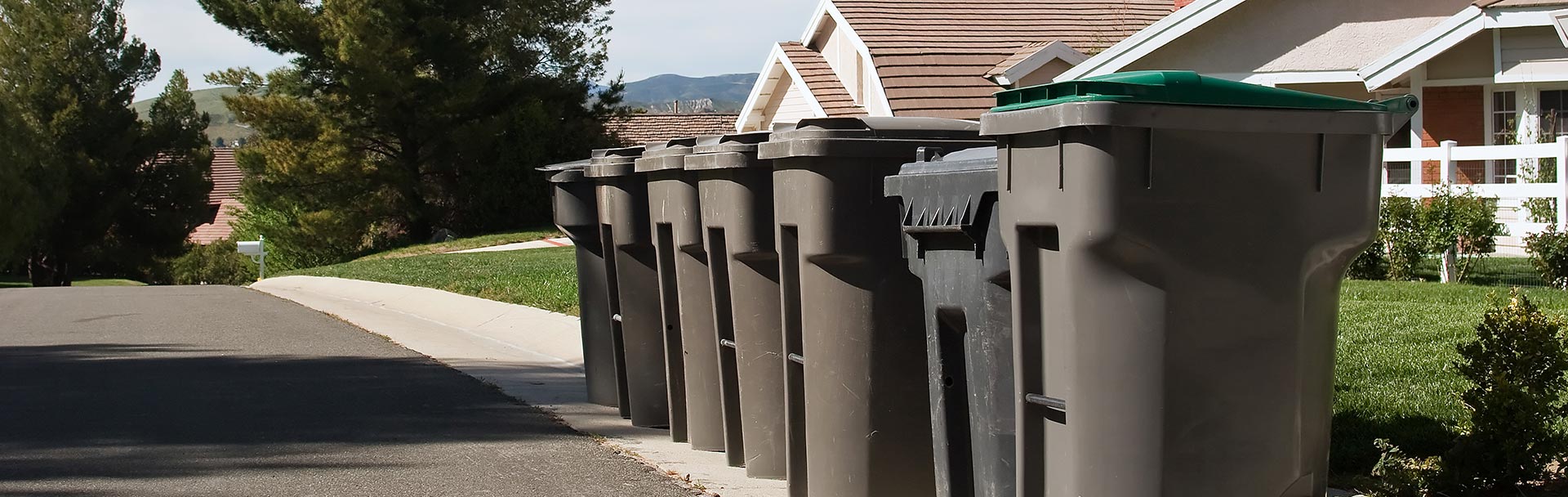
Rubbish removal near Brunel University Uxbridge UB8
Posted on 12/08/2026
Rubbish removal near Brunel University Uxbridge UB8: a practical local guide
If you need rubbish removal near Brunel University Uxbridge UB8, you are usually dealing with one of three things: a student move, a flat clear-out, or a messy build-up of everyday waste that has got out of hand. Maybe there is a bulky desk by the door, broken furniture in the hallway, or a pile of bags that has started to feel like a small mountain. It happens. Around a busy university area, rubbish has a way of appearing quickly and being awkward to move just when you are least keen to handle it.
This guide explains how local rubbish removal works, what to expect, how to choose the right option, and where people commonly go wrong. It also covers practical issues like timing, access, sorting, recycling, and what matters if you are a tenant, landlord, student, or local business near Brunel. If you want a wider look at local context first, you may also find local insights on Uxbridge useful, especially if you are deciding whether the area suits your needs long term.
And yes, the job is often simpler than people expect - once the plan is right. Not glamorous, but straightforward.

Why Rubbish removal near Brunel University Uxbridge UB8 Matters
Near a university, rubbish removal is about more than tidying up. It affects safety, reputation, time, and in some cases the smooth handover of a property. A cluttered room or overflowing bin area can create a bad first impression very quickly, and with shared living spaces, one person's delay becomes everyone else's problem. That is especially true in student houses, small offices, and short-let or rental properties where turnover is fast and space is tight.
Brunel University and the surrounding UB8 area also have a practical reality that many people recognise straight away: access can be awkward. Parking may be limited, loading space may be tight, and rubbish sometimes needs to be carried a fair distance from a top-floor flat or a rear alley. What looks like "just a few items" can turn into a proper logistics job. A decent rubbish removal service saves time by handling the heavy lifting, sorting, transport, and disposal in one go.
There is also a sustainability angle. Many people around Uxbridge care about waste being handled properly, not just dumped and forgotten. Responsible disposal, reuse where possible, and recycling are now expected rather than optional. If that matters to you, our recycling and sustainability approach gives a clearer picture of how waste can be managed more thoughtfully.
Expert takeaway: Near Brunel University, the best rubbish removal service is usually the one that combines speed, safe handling, transparent pricing, and proper waste sorting - not simply the cheapest quote on paper.
How Rubbish removal near Brunel University Uxbridge UB8 Works
Most rubbish removal jobs in this part of Uxbridge follow a similar pattern, even if the load itself is different each time. You describe what needs removing, the provider estimates the volume or sees it in person, a collection is scheduled, and the waste is taken away for sorting and disposal. Simple enough on paper. In practice, the details matter.
Typical stages of a collection
- Initial assessment: You explain what you need removed. Photos help a lot, especially with mixed waste or awkward items.
- Quote or estimate: The provider usually bases this on volume, weight, access, and the type of waste involved.
- Collection day: The team arrives, loads the rubbish, and checks whether anything needs separating for recycling or special handling.
- Sorting and disposal: Waste is then processed according to its type and any relevant duty of care requirements.
- Completion: You are left with a clear space instead of a half-finished job and a van full of guesswork.
For regular collections, such as recurring domestic waste or ongoing property management needs, the process may be even more routine. If you want a broader look at available service types, the services overview is a useful place to start. It helps separate one-off clear-outs from ongoing waste handling, which is where some people get confused.
One small but important point: the more accurate the initial description, the smoother the day tends to be. If you say "a few bits of rubbish" but there is actually a wardrobe, a mattress, and two broken shelving units, the collection can become slower or need a revised quote. Better to be slightly over-clear than under.
Key Benefits and Practical Advantages
People usually think about rubbish removal because they want a space cleared fast. Fair enough. But there are several practical benefits that go beyond a cleaner room or driveway.
- Time saved: No multiple trips to a disposal site, no borrowing a van, and no wrestling awkward furniture down stairs on your own.
- Less physical strain: Heavy bags, old appliances, and dismantled furniture are exactly the sort of things that cause unnecessary strain and minor injuries.
- Better presentation: This matters for landlords, sellers, and student accommodation managers. A clear property photographs better and feels more manageable.
- Cleaner sorting: A professional service is more likely to separate recyclable material, reusable items, and general waste properly.
- Lower stress: Truth be told, there is real relief in handing over a job that has been hanging over you for days.
In a university setting, speed and flexibility often matter most. Room changes, end-of-term clean-outs, and last-minute move-outs rarely happen neatly. That is where a local team can help, especially if access needs to be planned around campus traffic, student timetables, or limited parking. For bigger property jobs, you may also want to compare options with house clearance in Uxbridge if the waste is part of a full property emptying rather than a simple collection.
If the waste is from an office or shared workspace near the university, that is a different rhythm again. Paper, desks, monitors, and filing clutter need a slightly more organised approach. In those cases, office clearance in Uxbridge can be the more suitable route.
Who This Is For and When It Makes Sense
Rubbish removal near Brunel University Uxbridge UB8 suits a wide range of people. Some jobs are tiny. Some are not. The common thread is that the waste needs to go, and it needs to go properly.
Common situations
- Students moving out: Old bedding, broken chairs, packaging, textbooks, kitchen clutter, and the occasional forgotten kettle.
- Landlords and letting agents: End-of-tenancy rubbish, abandoned items, loft leftovers, and post-check-out clearances.
- Homeowners nearby: Garage clear-outs, loft decluttering, refurbishment waste, and bulky item disposal.
- Local businesses: Office furniture, archive waste, broken stock, and mixed non-hazardous waste.
- Garden and outdoor jobs: Branches, soil, hedge cuttings, and general green waste after a tidy-up.
It also makes sense when you simply do not have the vehicle, time, or energy to sort it yourself. That is not laziness. That is reality. A rainy Tuesday in Uxbridge with a sofa you cannot fit through the door is not the moment for stubborn DIY optimism.
If your rubbish is mainly outdoor material, garden waste removal in Uxbridge may be the better fit. If you are moving home, selling, or staging a property, you may also find our guide to selling your property in Uxbridge useful for understanding how a clear, tidy space supports the wider process.
Step-by-Step Guidance
If you want the collection to go smoothly, a bit of preparation helps. Not loads. Just enough to avoid avoidable back-and-forth.
1. Sort the waste into broad groups
Start with general rubbish, bulky items, garden waste, and anything that might need extra care. You do not need to become a recycling expert overnight, but separating obvious categories makes the job faster.
2. Take clear photos
Photos are genuinely helpful. Try to show the whole pile, not just the top layer. Include awkward items like wardrobes, mattresses, or broken appliances. If access is tight, show stairs, narrow paths, or where the collection vehicle can stop.
3. Check access before collection day
Think about parking, keys, loading points, building entry, and time restrictions. Near university areas, these things can change depending on term time, footfall, and local traffic. A five-minute access problem can become a twenty-minute delay if no one has thought it through.
4. Mention any special waste
If anything may need separate handling - for example electrical items, paint tins, or sharp materials - say so early. Not all waste is treated the same way, and it is better to flag this up before the van arrives.
5. Agree what is included
Ask what happens with labour, loading, disposal, and any extra time. Clarify whether the price is fixed or based on the final amount removed. This is where a transparent provider saves you from unpleasant surprises.
6. Prepare the space
If possible, place items in one accessible area. That can reduce handling time and make the collection cleaner and more efficient. Simple, but effective.
For more guidance on choosing a suitable removal service, it can help to browse the rubbish collection service and compare it with broader waste removal options depending on how much and what type of material you have.
Expert Tips for Better Results
After you have handled enough clear-outs, the patterns become obvious. Small decisions make the biggest difference.
- Be precise with volume: Saying "a van load" is not always enough. If you can describe the number of bags, furniture pieces, or room size, do that.
- Keep reusable items separate: If something can still be donated, reused, or sold, put it aside before the collection. Once it is mixed with general rubbish, that opportunity may be gone.
- Ask about recycling routes: A good provider should be able to explain how they deal with recyclable material in plain English, not hide behind vague words.
- Plan around move-out timing: End-of-tenancy jobs often run late because cleaning, inventory checks, and removals all collide on the same day. They really do.
- Keep hallways clear: If the team has to weave around shoes, bags, and half-dismantled furniture, the whole job slows down.
One useful habit is to take a quick "before" photo of the space and a list of what is being removed. If anything gets missed or you later need to check what was taken, that simple record helps. Very old-school, maybe. Still useful.
And if the job involves a larger clean-out, see whether a more structured removal plan is needed by reviewing the pricing and quotes information before you commit. A little clarity early on saves time later.

Common Mistakes to Avoid
Most rubbish removal problems come from assumptions. People assume the waste is all the same. Or that access will be easy. Or that the cheapest quote will stay the cheapest quote. Usually, one of those assumptions bites back.
- Underestimating the load: A pile that looks small in a bedroom can grow once it is in the hallway.
- Leaving sorting until collection day: This can create delays, especially if recyclable or special items are mixed with general waste.
- Forgetting building rules: Some properties have access times, lift restrictions, or parking constraints that need to be checked before arrival.
- Not asking what is excluded: A good quote should make clear what happens with items that need separate handling.
- Choosing only on price: Cheap is not cheap if the job is delayed, incomplete, or poorly handled.
Another common issue is assuming that all rubbish removal providers work the same way. They do not. Some are better for bulky domestic loads, others for recurring waste, others for clearance work. Matching the service to the actual job is half the battle.
Tools, Resources and Recommendations
You do not need specialist equipment for a basic clear-out, but a few simple tools make the process smoother.
Helpful items to have ready
- Strong bin bags or rubble sacks
- Gloves for handling dusty or sharp items
- Cardboard boxes for sorting smaller loose pieces
- Labels or sticky notes if several people are contributing items
- A phone camera for photos and record-keeping
For bigger projects, it can help to think in stages rather than one giant panic session at midnight. Start with obvious rubbish, then bulky items, then anything that needs a decision. If you are dealing with a flat or shared house, a room-by-room approach usually works better than trying to empty everything at once.
There are also a few local pages worth exploring if your situation overlaps with a wider property or business issue. For example, experience Uxbridge gives a broader feel for the area, while real estate in Uxbridge may be useful if rubbish removal is tied to moving, letting, or investing.
Law, Compliance, Standards, or Best Practice
Waste removal should be treated with care. You do not need to be an expert in regulations to make sensible decisions, but you should expect a professional approach to handling, transport, and disposal. In the UK, responsible waste management normally means the waste is collected, carried, and disposed of by someone acting properly and with an appropriate duty of care. That is the simple version, and it is the one that matters most to a customer.
If waste is mixed, hazardous, or includes items such as electrical equipment, paint, chemicals, or sharp materials, it may need different handling. That is why it is sensible to describe the load honestly from the beginning. A reputable service should be able to explain what can be taken, what may need separate treatment, and what should not be put with general rubbish.
Best practice also includes:
- clear pricing before work starts
- safe manual handling
- proper sorting where feasible
- appropriate transport and disposal
- respect for access, neighbours, and shared spaces
If you are comparing providers, it is worth looking at the company's approach to safety and insurance. That gives a better signal than a flashy headline ever will. Our insurance and safety information explains the sort of practical protections people usually want to see when a team is working around homes, stairwells, and busy access points.
For payment and booking concerns, it can also help to review the payment and security details and, if you want to understand the fine print, the terms and conditions and privacy policy. A little due diligence never hurts. Actually, it saves hassle more often than people admit.
Options, Methods, or Comparison Table
There is more than one way to deal with rubbish near Brunel University. The right choice depends on volume, access, urgency, and whether the waste is mixed or specialised.
| Option | Best for | Pros | Trade-offs |
|---|---|---|---|
| Self-loading and disposal | Small amounts, low urgency | Direct control, can suit very minor jobs | Time-consuming, physically demanding, requires transport |
| Booked rubbish collection | General household or mixed waste | Convenient, quicker than doing it alone, good for bulky items | Needs accurate description and access planning |
| House clearance | Whole rooms, flats, end-of-tenancy or probate-type clear-outs | Structured, efficient, handles larger volumes well | More than you need if you only have a few items |
| Office clearance | Workspaces, desks, archive waste, furniture | Better for business-like waste streams and larger items | Needs clearer planning and item categorisation |
| Garden waste removal | Branches, clippings, soil, outdoor debris | Ideal for green waste and outdoor tidy-ups | Not suitable for all general waste mixes |
If you are unsure which route to take, start with what dominates the pile. If most of it is furniture and household clutter, a clearance service may fit better. If it is mainly bags and mixed household waste, rubbish collection is often simpler. If it is all hedging, leaves, and cuttings, garden waste removal is the obvious one. Simple logic, but it works.
Case Study or Real-World Example
A typical scenario near Brunel University goes like this. A student household is moving out at the end of term. The property has a broken desk, two worn chairs, several bin bags, a mattress, flat-pack offcuts, and random kitchen items that somehow survived until the final week. The hallway is narrow, the parking space is uncertain, and everyone is packing at once. Chaos, basically.
Instead of trying to tackle everything with a couple of car trips, the household groups the items by type, takes photos, and books a collection for a time when one person can be present to grant access. The bulky furniture is moved to one room, loose waste is bagged, and anything reusable is separated first. On the day, the loading goes faster because nothing is scattered through the property.
The result is not just a cleared flat. It is a less stressful move, fewer missed items, and no awkward scramble on the last morning. That is the real value in a well-planned rubbish removal job: it reduces friction at the exact point life is already busy.
If you are also dealing with a property handover or getting a home ready for sale, the local property angle may be worth a look. The article on selling your property in Uxbridge covers why a neat, uncluttered space can support a better presentation, which is not exactly revolutionary, but it is true.
Practical Checklist
Use this before your collection day. It keeps things calm and saves those awkward "Oh, I forgot about that" moments.
- Identify whether the waste is general, bulky, garden, or office-related
- Take clear photos of the full load
- Measure or estimate the biggest items
- Check access, parking, and entry arrangements
- Separate reusable items where possible
- Flag anything that may need special handling
- Confirm what the quote includes
- Clear a path to the items
- Keep pets and children away from the work area
- Save confirmation details and any agreed notes
A simple checklist like this may feel basic, but basic is good. Especially when you are trying to clear a room while also answering messages, finding keys, and trying not to step on a rogue charger cable.
Get a free quote today and see how much you can save.
Conclusion
Rubbish removal near Brunel University Uxbridge UB8 works best when it is planned properly, described honestly, and matched to the actual type of waste you have. That might sound obvious, but in real life people often leave it until the last minute, then try to solve a bulky, awkward job with one rushed phone call. Better to pause, sort, and choose the right approach.
Whether you are a student moving out, a landlord turning over a property, a local homeowner clearing space, or a business managing unwanted items, the same principles apply: clear communication, sensible preparation, and a service that handles waste responsibly. If you get those three things right, the rest feels much easier.
And once the clutter is gone, the room feels different. Quieter, somehow. More usable. That's usually the moment people realise they should have done it sooner.


From a young age, Blair has cultivated a passion for order, which has now matured into a prosperous profession as a waste removal specialist. She derives satisfaction from transforming disorderly spaces into practical ones, aiding clients in conquering the burden of clutter.
 Tipper Van - Rubbish Collection and Attic Clearance Prices in Uxbridge, UB8
 Luton Van - Rubbish Collection and Attic Clearance Prices in Uxbridge, UB8