Waste collection by The Chimes Uxbridge guide
Posted on 02/09/2026
Waste collection by The Chimes Uxbridge guide: a practical local walkthrough
If you have ever carried a bag of mixed rubbish through a busy shopping area and wondered, "Is there a smarter way to deal with this?", you are not alone. This Waste collection by The Chimes Uxbridge guide is here to make the whole process clearer, calmer, and a lot more practical. Whether you are clearing out a flat, managing retail waste, handling office rubbish, or simply trying to dispose of bulky items without creating a headache, understanding the local setup matters. In a place like The Chimes, timing, access, and disposal options can make the difference between a smooth job and a frustrating one.
Below, you will find a straightforward, detailed guide to what waste collection involves, who it is useful for, how to plan it properly, and what to watch out for. No fluff. Just the kind of detail that saves time, avoids mistakes, and helps you get on with the rest of your day.
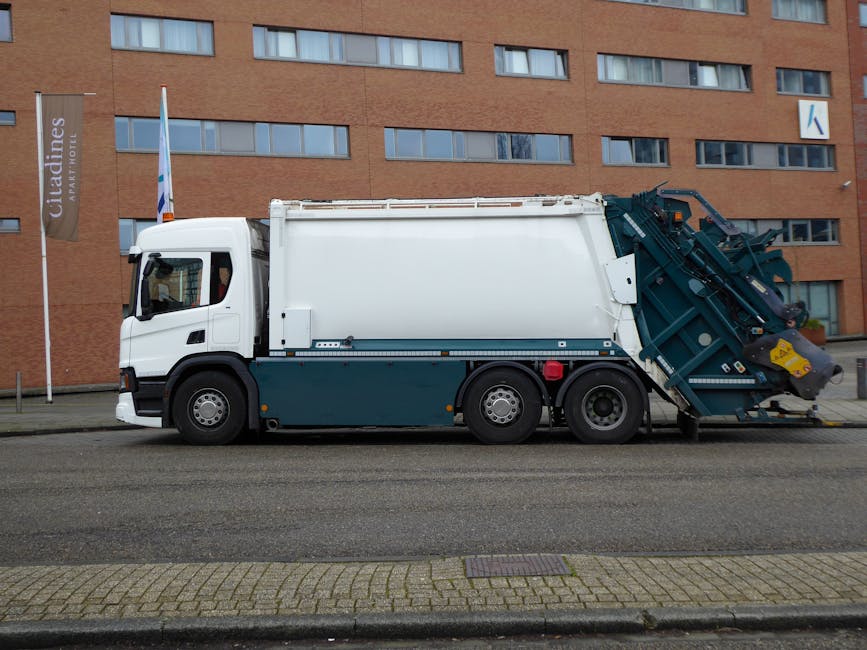
Why Waste collection by The Chimes Uxbridge guide Matters
The Chimes is a busy part of Uxbridge, and that changes the way waste needs to be handled. You are not working in an empty industrial estate with all the time in the world. You are usually dealing with footfall, loading constraints, tight schedules, and the simple fact that rubbish gets in the way fast. A box of packaging left in the wrong spot, a broken chair tucked behind a unit, or a stack of old stock bags can turn into an eyesore quickly. In retail or commercial settings, that is more than untidy; it affects day-to-day operations and how your space feels.
For local households too, waste collection near a busy centre can be less straightforward than it first appears. Let's face it, few people plan their clear-out around traffic, parking, or a shop opening at the same time. But those things matter. A good waste collection plan helps you avoid awkward delays and makes the handover clean and tidy. It also reduces the chance of rubbish being left behind, which is one of those small problems that somehow becomes a big one by Friday afternoon.
There is also a sustainability angle. More people now want waste handled responsibly, with reusable and recyclable materials separated where possible. If you are interested in wider local environmental practice, it is worth looking at our recycling and sustainability approach, which fits neatly with careful waste planning in busy places like The Chimes.
Expert summary: Waste collection in a high-traffic local centre is not just about removal. It is about timing, access, sorting, and leaving the area ready for normal use again without disruption.
How Waste collection by The Chimes Uxbridge guide Works
At a basic level, waste collection is simple: identify the rubbish, gather it safely, remove it, and dispose of it correctly. In practice, though, the process works best when you treat it as a small project. That is especially true around The Chimes, where access and timing matter more than people sometimes expect.
Here is the typical flow:
- Assess the waste type. Is it general rubbish, cardboard, mixed bulky items, office waste, garden waste, or something that needs special handling?
- Estimate the volume. A few bin bags is one thing. Half a room of furniture or a shop floor full of packaging is another.
- Choose the right collection method. Some jobs need a small collection. Others are more suitable for a full waste removal service or clearance support.
- Plan access and timing. In a busy area, avoiding peak footfall can make everything easier. Early morning often works better than mid-afternoon, though every site is different.
- Separate anything recyclable or reusable. It saves time later and usually makes the whole job tidier.
- Load and remove efficiently. The cleaner the sort at the start, the quicker the removal at the end.
- Confirm disposal and documentation where needed. For commercial clients especially, keep records for your own peace of mind.
In real life, the biggest time-saver is usually preparation. A tidy pile of sorted waste is easy. A mixed heap of bits and pieces in the back of a storeroom? Not so easy, and truth be told, that is where small delays creep in.
If your situation is broader than a single collection, you may find it useful to understand the difference between rubbish collection in Uxbridge and fuller waste removal options. The terms overlap, but the scale and purpose can be quite different.
Key Benefits and Practical Advantages
People usually think of waste collection as a chore. Fair enough. But when it is handled properly, it brings a lot of practical upside.
- Less disruption: Quick collection means less clutter around entrances, stock rooms, or living spaces.
- Better presentation: Clean surroundings matter, especially for shops, offices, and properties being prepared for sale or let.
- Safer movement: Fewer loose items means fewer trip hazards and less strain when moving around tight spaces.
- Faster turnaround: If you are clearing a unit, office, or flat, speed matters. Nobody wants a half-finished job hanging around.
- More responsible disposal: Sorting waste properly helps support recycling and reduces avoidable landfill disposal.
- Less stress: You do not have to spend your own weekend wrestling with boxes, broken furniture, or bin bags that will not fit in the car.
There is also a softer but very real benefit: peace of mind. When waste is removed cleanly and on time, the whole space feels lighter. You notice it immediately. A room sounds different, even. Less echo, less clutter, less of that nagging feeling that "we still need to deal with this".
For business owners near The Chimes, that can also support a better customer experience. For homeowners, it can make a property feel ready for the next step. If you are thinking about a move or sale, a tidy property matters more than people admit. You can see related local context in our guides on selling your property in Uxbridge and investing wisely in Uxbridge property.
Who This Is For and When It Makes Sense
This kind of waste collection guidance is useful for a wider range of people than you might expect. It is not just for shopfitters or landlords. Plenty of everyday situations call for it.
- Shops and kiosks: For packaging, old displays, damaged stock, and routine clear-outs.
- Office managers: For furniture, paper waste, obsolete equipment, and end-of-lease clearances.
- Homeowners and tenants: For decluttering, moving house, or dealing with bulky household items.
- Landlords and letting agents: For post-tenancy waste, left-behind items, and pre-marketing clean-ups.
- Tradespeople: For builders' waste, timber offcuts, packaging, and job-site debris.
- Event organisers: For temporary waste build-up after gatherings, exhibitions, or busy service days.
A simple rule helps here: if the waste is awkward, heavy, mixed, or time-sensitive, a planned collection is usually worth it. If it is a one-off bag or two, you may not need much more than careful sorting and a small pickup arrangement. But once items start taking over a corridor or storeroom, do not leave it. That is how little problems become bigger than they should be.
For some readers, the right next step is a more specific clearance service, not just collection. If that sounds like you, our pages on house clearance in Uxbridge and office clearance in Uxbridge may be more relevant depending on the size and type of waste.
Step-by-Step Guidance
If you want waste collection by The Chimes Uxbridge guide to go smoothly, keep the process simple and structured. Nothing fancy. Just sensible steps done in order.
1. Identify exactly what needs removing
Walk the space and make a list. Separate general rubbish, bulky items, recyclable packaging, and anything that may need special handling. A quick room-by-room check is often enough. If it helps, take photos. People underestimate this step all the time, and then end up with "Oh, I forgot the back cupboard" halfway through.
2. Decide what stays and what goes
This sounds obvious, but it is where mistakes happen. In a mixed-use space, some items are nearly identical. A spare chair for the office is not the same as broken seating for disposal. Mark items clearly before the collection day.
3. Check access in advance
Think about where the vehicle can stop, how far items must be carried, and whether there are lifts, stairs, or narrow corridors. In a busy setting like The Chimes, that can change the pace of the whole job. A clear route saves time and reduces the chance of damage.
4. Choose a sensible time window
Try to avoid the busiest parts of the day where possible. Early or off-peak collection usually feels calmer. There is less pressure on footpaths, and fewer awkward "excuse me" moments with trolleys or bins. Not glamorous, but useful.
5. Sort and bundle waste where practical
Flatten cardboard. Bag loose items. Keep fragile or sharp materials separate. If you are dealing with a mix of materials, stack them so the most awkward items are easiest to reach. This is the kind of prep that makes a collection look effortless.
6. Confirm pricing and scope before the job starts
Make sure you know what is included. Volume, loading time, item type, and access can all affect the overall job. Our pricing and quotes information is useful if you want to understand how collection jobs are usually approached in a clear, transparent way.
7. Keep records if you are a business
For commercial waste, keep notes on what was removed, when it was collected, and by whom. It is a simple habit, and it can save a lot of awkward questions later on.
Expert Tips for Better Results
After enough collections, a few patterns become obvious. The jobs that run well are rarely the ones with the most expensive setup. They are the ones that were thought through properly.
- Do the sorting before collection day. It sounds basic, but it is the single biggest time saver.
- Use one clear staging area. Multiple piles create confusion and slow everything down.
- Protect floors and corners. A bit of cardboard or sheeting in tight areas can prevent scuffs.
- Keep a small "do not remove" zone. It avoids accidental disposal of items you still need.
- Take photos before and after. Handy for landlords, businesses, and anyone who likes a clean record.
- Ask about recycling separation. Mixed waste is often more expensive and less sustainable than planned sorting.
One small but important tip: if you are clearing a shop or office, get the team to check drawers, under counters, and the back of cupboards before anything is moved. That is where lost cables, chargers, and random but somehow important bits always hide. It is almost a law of nature.
If your waste includes building materials or renovation debris, have a look at builders' waste disposal in Uxbridge as the handling needs are often different from ordinary household rubbish.

Common Mistakes to Avoid
Most waste collection problems are avoidable. The tricky part is that they usually seem small right up until they become inconvenient.
- Leaving sorting until the last minute: This slows everything down and increases the chance of mistakes.
- Underestimating volume: A pile that looks "small enough" can be far bigger once bagged or loaded.
- Ignoring access limitations: A vehicle cannot magically fit where it cannot fit.
- Mixing recyclable and general waste unnecessarily: This can make disposal less efficient and less tidy.
- Forgetting about fragile or hazardous items: These need special care, not casual handling.
- Assuming all collection jobs are the same: They are not. A few office chairs and a full unit clearance are very different jobs.
Another common issue is not telling the collector everything that is involved. If there is a basement, restricted access, heavy lifting, or time pressure, say so upfront. It is not a problem; it just needs planning. Hiding the awkward bits helps nobody, really.
Tools, Resources and Recommendations
You do not need specialist equipment for every job, but a few simple tools make waste collection much easier.
- Heavy-duty bin bags: Better for mixed light waste and small clear-outs.
- Cardboard boxes: Useful for keeping smaller loose items together.
- Labels or tape: Good for marking keep, remove, recycle, or fragile.
- Gloves and basic PPE: Helpful for handling sharp, dusty, or awkward items safely.
- Dolly or sack truck: Handy if you are moving heavy items over a longer distance.
- Recycling bags or separate containers: Useful if you want a cleaner split between waste streams.
On the recommendation side, the best approach is usually to start with the narrowest possible service that fits the job. If you only need a small volume removed, keep it simple. If you are dealing with a larger mix of furniture, bags, and general waste, a broader service may be more efficient. Our services overview is a helpful starting point if you are comparing options.
If you value responsible disposal and want a service that supports waste reduction rather than just removal, you may also want to read more about recycling and sustainability. It is not just a nice extra. In many cases it changes the whole approach.
Law, Compliance, Standards, or Best Practice
Waste handling in the UK comes with responsibilities, especially for businesses. The exact requirements depend on the waste type and the setting, so it is always wise to check the current rules that apply to your own situation. For commercial waste, there is usually an expectation that waste is stored safely, collected by an appropriate party, and handled responsibly. For household waste, the practical focus is more often on safe presentation, separation, and correct disposal.
Best practice is usually straightforward:
- Keep waste separate where possible.
- Do not mix regular rubbish with items that need special handling.
- Store waste so it does not create a hazard, spill, or obstruction.
- Use a collection arrangement that matches the type and amount of material.
- Keep records for business waste where that is appropriate.
Insurance and site safety also matter. If items are bulky, sharp, or difficult to move, take precautions rather than rushing. A few extra minutes of planning beats a back injury or scratched wall. That is not dramatic; it is just sensible. Our insurance and safety information offers a useful reminder of the kind of care that should sit behind any waste job.
If you are unsure whether a particular item can be collected with general waste, err on the side of caution and ask before the collection day. It is much easier to clarify something early than to sort it out when everyone is already standing by a van, looking slightly impatient.
Options, Methods, or Comparison Table
There is no single best method for every job. The right choice depends on the amount of waste, access, urgency, and whether the waste is domestic or commercial.
| Method | Best for | Strengths | Limitations |
|---|---|---|---|
| Bin-bag style small collection | Light domestic waste, minor clear-outs | Quick, simple, usually low hassle | Not ideal for bulky or mixed heavy items |
| Targeted rubbish collection | Specific waste piles, packaging, furniture, office waste | Flexible and efficient | Needs clear sorting and access planning |
| Full waste removal service | Larger or more varied waste loads | Covers more material in one visit | May be more than you need for a small job |
| House or office clearance | End-of-tenancy, relocation, refurbishments | Best for complete space reset | Requires more coordination and time |
For many people near The Chimes, the decision comes down to scale. If you are just removing a few items, keep the method light and simple. If the pile is growing, or the space needs to be handed back in good condition, a more complete clearance approach is often the calmer choice.
Case Study or Real-World Example
Picture a small retail unit near The Chimes that has just finished a seasonal display change. There are cardboard sheets, broken packaging, a couple of old display stands, and a few awkward items that no one wants to leave in the stockroom "for now". It is 4:30pm. Staff are trying to serve customers. The back corridor is starting to look like a storage accident. You know the sort of thing.
In that situation, the smartest move is not to start making random piles and hoping for the best. It is to:
- Separate cardboard, reusable display material, and general rubbish.
- Stack the bulky items near a clear access point.
- Schedule collection for a quieter time window.
- Confirm any items that should not go with ordinary waste.
- Remove everything in one clean pass rather than dragging the job over several days.
That kind of organised approach keeps the shop usable and prevents the back room from becoming a temporary graveyard for "we will deal with this later" items. Later, of course, is always a liar.
The same logic applies to students and residents near the Brunel University area when they need rubbish cleared quickly between moves or term changes. For a related local read, see rubbish removal near Brunel University in Uxbridge.
Practical Checklist
Use this checklist before arranging waste collection. It keeps things tidy and stops last-minute panic.
- Have I identified every item that needs removing?
- Have I separated keep, recycle, and dispose piles?
- Do I know whether any items need special handling?
- Is access clear for loading and movement?
- Have I chosen a time that avoids unnecessary disruption?
- Have I confirmed the approximate volume of waste?
- Do I know whether I need a collection or a fuller clearance?
- Have I protected floors, walls, or corners if needed?
- Do I have any records I need to keep for business purposes?
- Have I asked about recycling and responsible disposal?
If you can tick most of those off, you are already ahead of the game. And honestly, that is half the battle.
Get a free quote today and see how much you can save.
Conclusion
Waste collection around The Chimes Uxbridge is easiest when you treat it as a practical logistics job rather than a last-minute chore. Think about access, timing, waste type, and disposal method, and the whole process becomes much smoother. That matters whether you are clearing a small flat, running a busy business unit, or simply trying to avoid clutter building up in the wrong place.
The main lesson is simple: a little planning saves a lot of hassle. Sort early, choose the right method, and keep the space safe and organised. If you do that, waste stops being a nuisance and becomes just another task that gets handled properly. Nice and quiet. No drama.
And that is usually the best outcome in a busy local area like this: nothing flashy, just a clean space and a clear head afterwards.

From a young age, Blair has cultivated a passion for order, which has now matured into a prosperous profession as a waste removal specialist. She derives satisfaction from transforming disorderly spaces into practical ones, aiding clients in conquering the burden of clutter.
 Tipper Van - Rubbish Collection and Attic Clearance Prices in Uxbridge, UB8
 Luton Van - Rubbish Collection and Attic Clearance Prices in Uxbridge, UB8